Course description

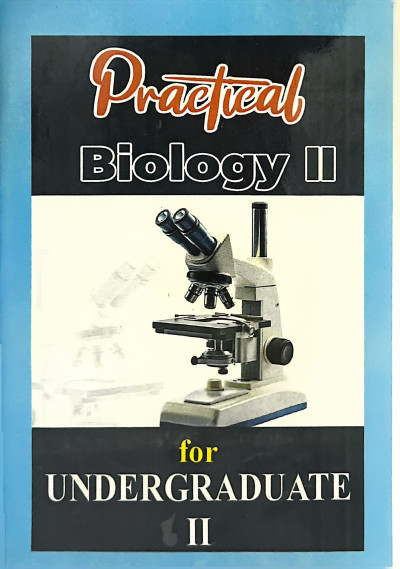
Practical Biology II: Anatomy and Morphology of Flowering Plants is a comprehensive undergraduate practical manual designed for students in Biology, Botany, and Microbiology.

The course covers the detailed structure and organization of flowering plants, with emphasis on:

  • Anatomy of flowering plants (Epidermal, Ground, and Vascular tissue systems)
  • Root systems: characteristics, types (tap and fibrous), regions, and modifications
  • Primary and secondary structure of dicot and monocot roots
  • Functions of roots and adaptive modifications (storage, support, respiration, parasitism, etc.)
  • Practical techniques including external observation and preparation of transverse sections for microscopy

This lab-oriented manual features clear explanations, diagrams, comparison tables, in-text questions, and step-by-step procedures to help students understand plant anatomy and develop essential microscopy and observation skills.

Ideal for undergraduate practical sessions and exam preparation. Published by the Department of Microbiology, Faculty of Natural and Applied Sciences, Tansian University Umunya.

What will i learn?

  • Course Learning Outcomes – Practical Biology II By the end of this course, students will be able to: Describe the major tissue systems in flowering plants, including the structure and functions of the Epidermal, Ground, and Vascular tissue systems. Identify and differentiate between the characteristics of roots and distinguish between tap root and fibrous root systems. Explain the regions of the root (root cap, meristematic, elongation, and maturation) and their roles in root growth and absorption. Recognize various modifications of roots (storage, respiratory, prop, stilt, climbing, parasitic, etc.) and explain their adaptive significance in different environments. Compare the primary internal structure of dicot and monocot roots, including the arrangement of vascular tissues, endodermis, pericycle, and pith. Understand secondary growth in dicot roots, including the role of vascular cambium, cork cambium, and the formation of periderm. Prepare and observe transverse sections (T.S.) of dicot and monocot roots under a microscope and accurately identify key anatomical features. Demonstrate practical skills in external observation of roots, use of dissecting kits, staining techniques, and microscopic examination. Relate root structure to function, including anchorage, absorption of water and minerals, and specialized adaptations. Analyze and interpret diagrams, compare dicot vs. monocot roots using tables, and answer questions on plant anatomy effectively.

Requirements

Frequently asked question

This course is a practical guide to the Anatomy and Morphology of Flowering Plants, with special focus on the root system. It covers tissue systems, root structure (dicot and monocot), modifications of roots, and hands-on laboratory techniques.

It is designed for undergraduate students in Biology, Botany, Microbiology, and related fields, particularly those in their second year or taking Practical Biology II.

Anatomy of flowering plants (Epidermal, Ground & Vascular tissue systems) Characteristics, types, regions, and modifications of roots Primary and secondary structure of dicot and monocot roots Functions of roots and adaptive modifications Practical procedures for external observation and preparation of transverse sections (T.S.) for microscopy

It is primarily practical/lab-oriented. The manual includes detailed procedures, diagrams, observation tables, and microscopy techniques for hands-on learning.

You will need basic laboratory items such as: fresh plant samples (monocot & dicot roots), razor blade, microscope, slides, cover slips, safranin stain, glycerin, hand lens, and dissecting kit.

Free

Lectures

0

Skill level

Beginner

Expiry period

12 Months

Share this course

Related courses